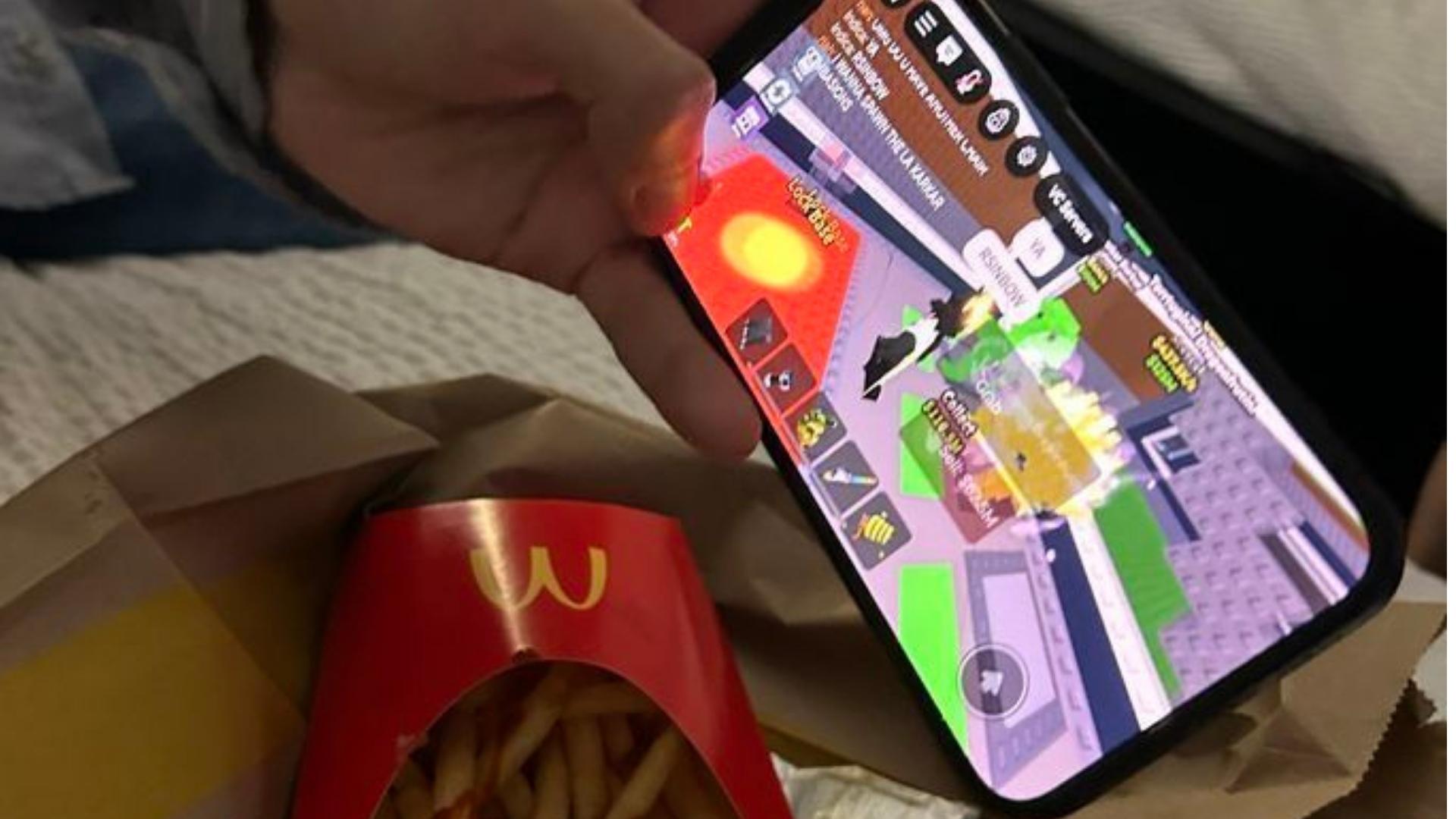
The modern era has ushered in a profound transformation in how society engages with digital entertainment, positioning portable devices at the forefront of this evolution. Driven by rapid advancements in cellular networks and hardware capabilities, smartphone gaming has transitioned from a casual pastime into a highly sophisticated ecosystem. Today, millions of players connect daily to experience complex virtual worlds that rival traditional home setups.
The Technological Leap in Portable Hardware
Modern mobile phones now possess the computational power necessary to render intricate graphical textures and manage intense physics simulations smoothly. This technological leap allows developers to build massive multiplayer environments that were once restricted to high-end personal computers. As a result, players enjoy seamless performance and fluid real-time synchronization directly from the palms of their hands.
Furthermore, the widespread adoption of modern cloud streaming has democratized access to high-fidelity software without requiring expensive individual upgrades. This shift ensures that casual users and enthusiasts alike can enjoy balanced performance regardless of their local hardware configuration. The integration of high-refresh-rate touchscreens has also dramatically elevated input precision during fast-paced play sessions.
The Emergence of Connected Communities
Beyond technical achievements, the contemporary gaming landscape thrives on deep social infrastructure and collaborative digital neighborhoods. Modern applications are purposefully designed to cultivate ongoing communication, turning isolated matches into vibrant social networks where friendships are formed across borders. Players actively cooperate in synchronized guilds, share strategic insights, and organize collective events to achieve complex in-game objectives.
This persistent connectivity has also fueled a highly competitive environment, filled with international ranking leaderboards and structured global match-making loops. Many enthusiasts closely follow professional tournaments through dedicated analytical platforms like M88 esports to stay informed on the latest community strategies and performance metrics. Choosing titles with established active player bases guarantees that these digital ecosystems remain engaging and dynamic over long periods.
The Shift Toward Balanced Engagement Models
As the industry matures, digital creators are shifting away from aggressive monetization strategies to focus more heavily on player retention and sustainable loops. Modern design philosophy emphasizes rewarding consistent daily participation rather than forcing upfront financial commitments. This balanced approach creates a fairer competitive space where tactical decision-making and genuine skill determine a player's long-term progress.
Additionally, the variety of genres available on app stores ensures that every demographic can find an experience tailored to their unique routine. From intricate strategic simulations that demand long-term planning to cozy narrative-driven titles perfect for short breaks, the options are incredibly diverse. Ultimately, the modern age has solidified mobile software as a dominant cultural force that seamlessly blends entertainment with global connectivity.