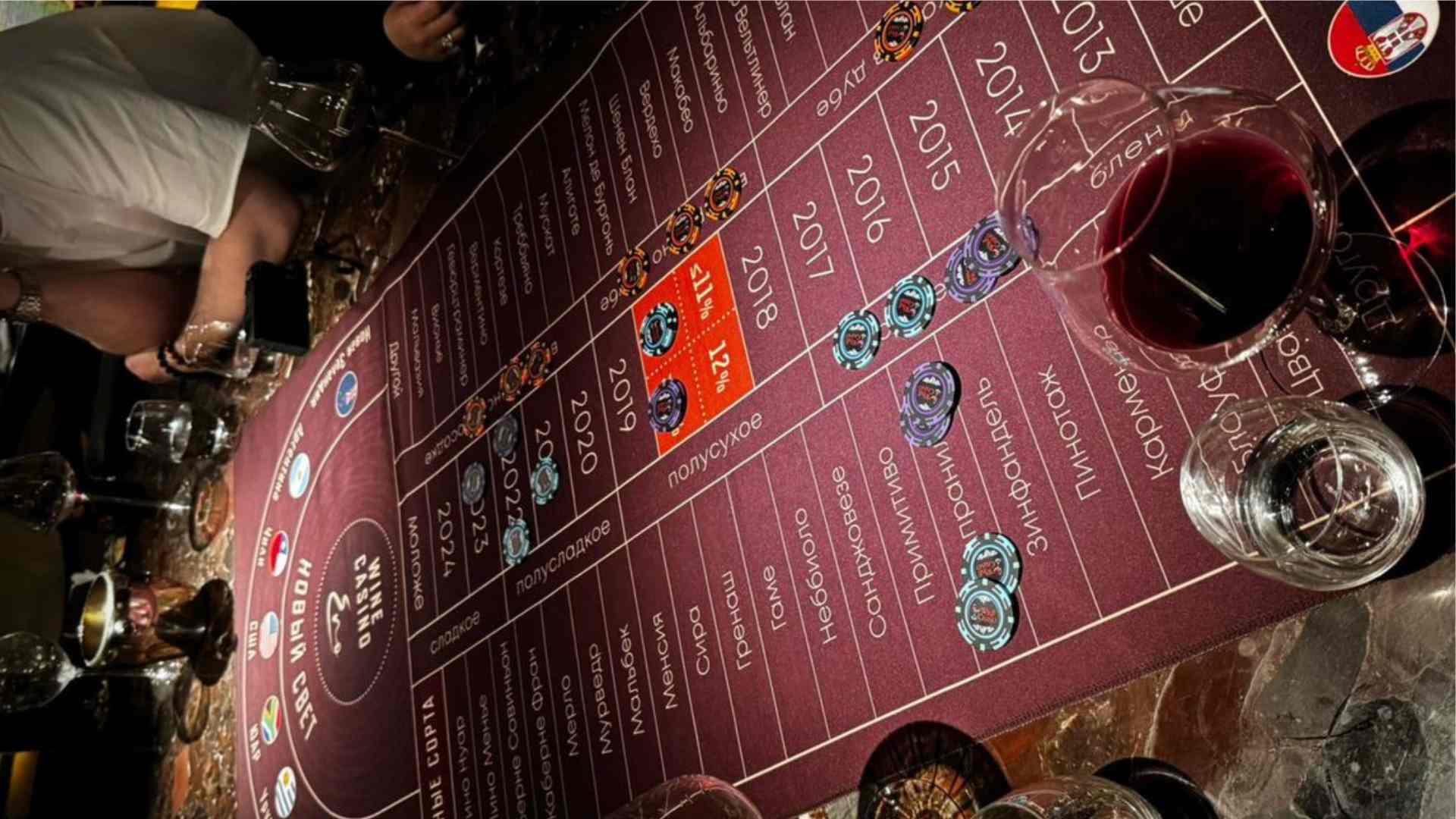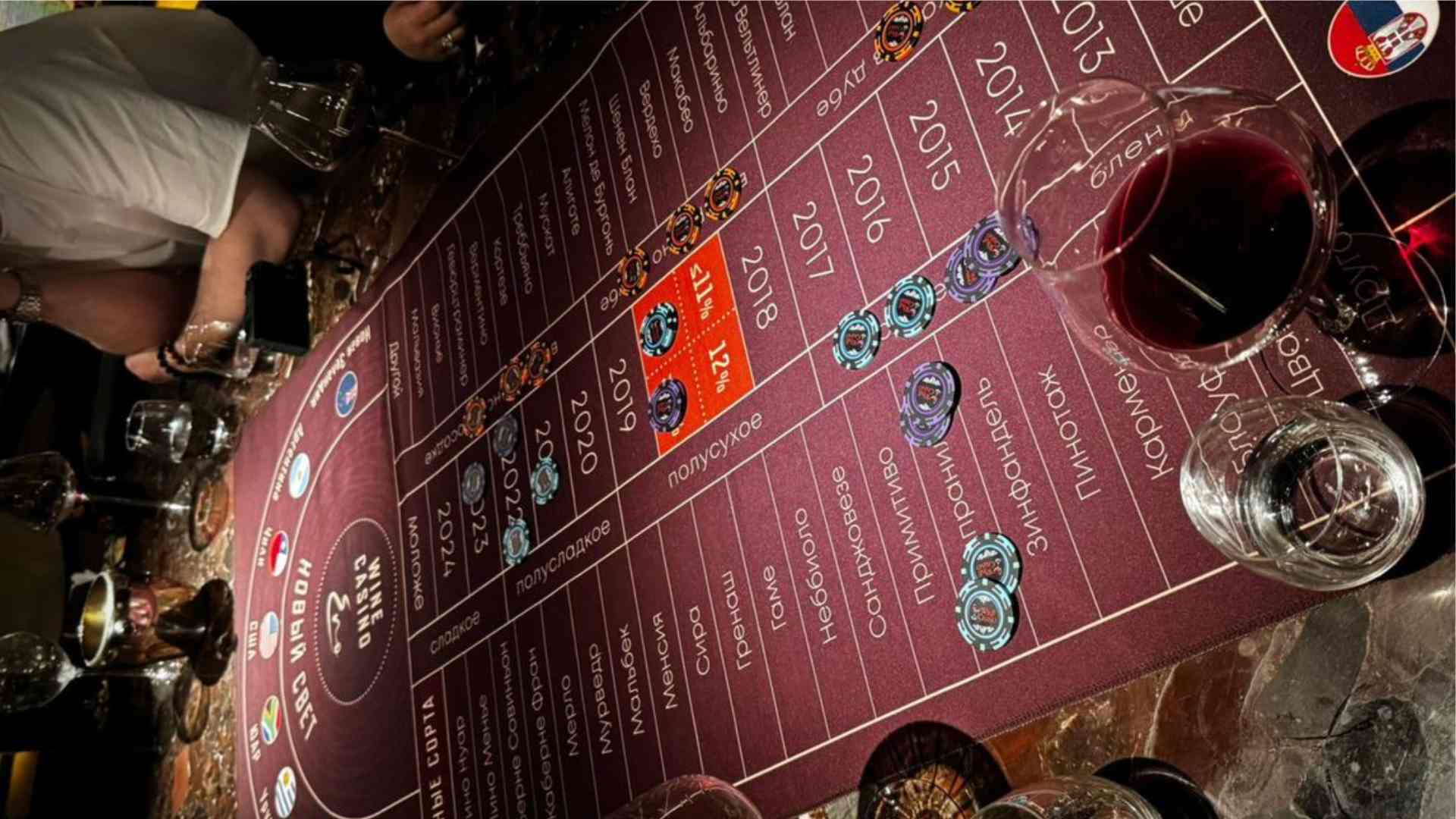
In the corporate and modern professional landscape, developing exceptional guidance capabilities requires more than just reading theoretical textbooks. Tabletop environments provide an excellent dynamic testing ground where individuals can safely test strategies and observe real-time consequences. Engaging in these interactive activities challenges minds to analyze complex scenarios and coordinate collective efforts toward winning goals.
The Core Strategy of Modern Board Environments
Many classic and modern board setups force participants to manage finite resources while continuously anticipating their opponent's next move. This constant calculation directly translates to business forecasting and analytical thinking under high operational pressure. Individuals quickly learn that short-term gains often lead to long-term disadvantages if a broader strategy is not maintained.
Furthermore, these challenges require participants to stay emotionally composed during unforeseen tactical setbacks. True professionals recognize that managing unpredictable shifts is what separates an average organizer from an exceptional manager. Learning to pivot mid-game fosters the exact flexibility needed in modern high-stakes corporate situations.
Cooperative Challenges and Resource Delegation
Certain modern gaming scenarios pit a group of players against the system itself rather than letting them fight one another. In these cooperative setups, victory is absolutely impossible without clear communication and efficient role delegation. Each participant must understand their unique strengths and trust their teammates to execute specific tasks properly.
These shared surfaces highlight the immense value of empathetic planning and active listening among group members. For those wanting to test their statistical skills and platform navigation in digital environments, visiting a trusted site like M88 togel can offer interactive learning modules. Finding analytical spaces helps people refine their individual decision-making speeds and risk assessment capabilities.
Psychological Reading and Risk Assessment
Card-based table interactions introduce a vital layer of human psychology, requiring participants to decode subtle behavioral indicators. Success relies heavily on distinguishing between genuine confidence and carefully executed bluffs. Developing this keen observational skill enables professionals to read negotiations and market trends more effectively.
Additionally, calculating mathematical probabilities under pressure teaches players when to push an advantage and when to minimize risk. Making these calculated choices prevents reckless actions that could compromise a team's long-term sustainability. The table serves as a safe environment to build a strong foundation in risk management.
Cultivating Adaptability in Evolving Situations
The ultimate lesson derived from premium tabletop sessions is the absolute necessity of ongoing flexibility. A strategy that guarantees success in the initial stages can easily fall apart as variables shift across the surface. Leaders must continuously assess new data points and modify their long-term visions without losing momentum.
By embracing the regular mental workouts provided by these table setups, people naturally cultivate a resilient growth mindset. They learn to view structural failures not as final defeats, but as critical learning moments. Ultimately, tactical tabletop play builds the vital competencies required to guide teams through modern professional complexities.